
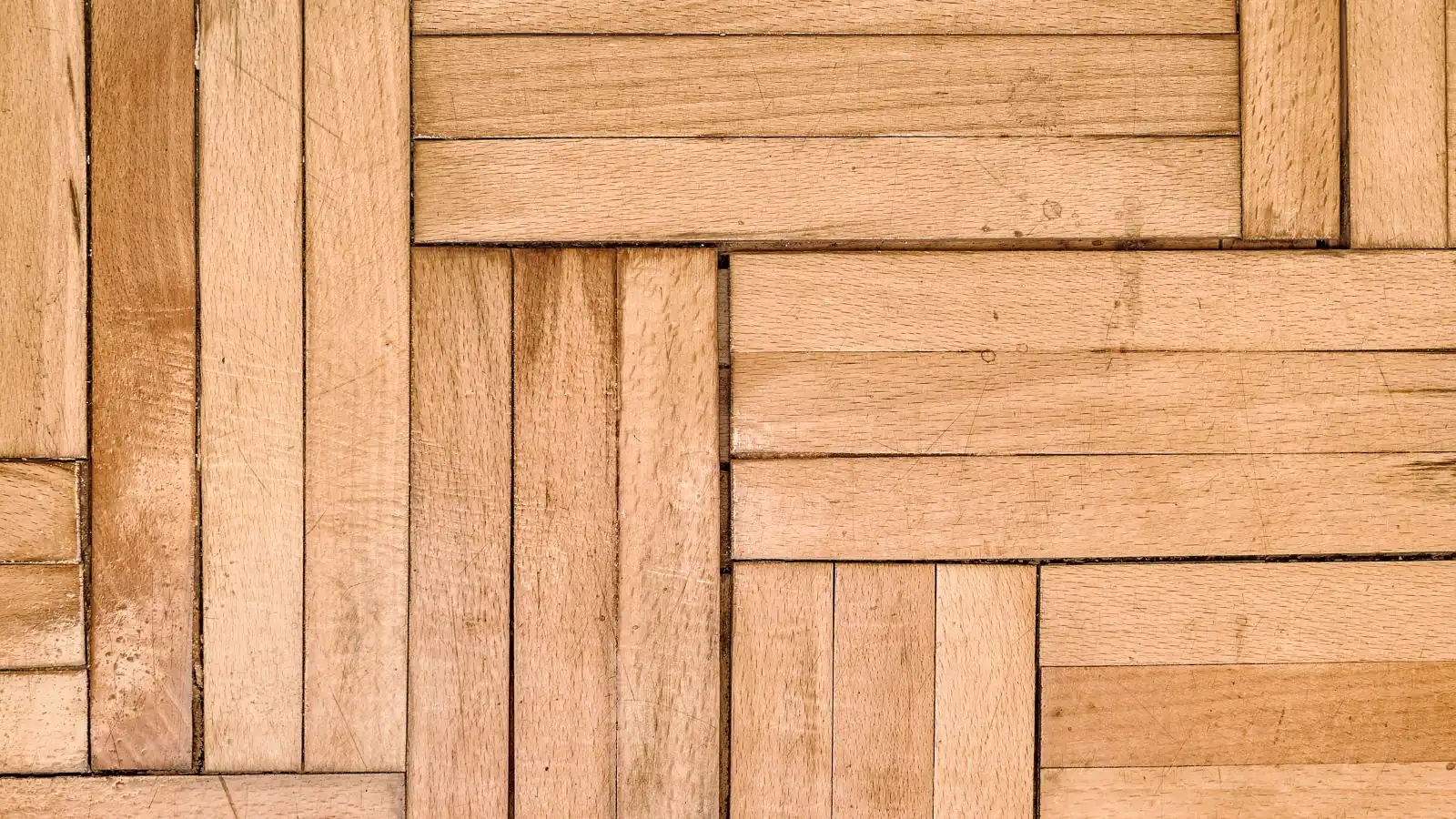
Hardwood floor water damage is the swelling, cupping or lifting of wood and laminate after moisture reaches it. Wood takes on water from below and from above, and the damage can show up days later.
Speed matters. Floors dried within days often recover, while floors wet for a long time may need replacing.
Call early, since cupping can begin after the water is gone.
Symptom first: what wet wood looks like
Cupping
Board edges rise higher than centers.
Crowning
Centers rise above edges.
Buckling
Boards lift from the subfloor.
Dark stains
Discoloration shows long exposure.
When wet floors are urgent
Water under a floor keeps working. Remove standing water, lift rugs, and keep the floor ventilated. Do not cover wet wood with plastic.
Call right away, since quick drying often saves boards.
Boards lifting?
Call for drying. A crew can be sent when available.
Older floors and local homes
The City of Madera draft housing element reports that about 18 percent of units predate 1960, and many older homes have original wood floors worth saving. Solid wood can be sanded and refinished, while engineered and laminate floors have limited repair options.
How drying and repair work
Crews use moisture meters to read boards and subfloor. Specialized drying mats and air movers pull moisture out, and dehumidifiers control humidity.
Measure
Readings in boards and subfloor.
Dry
Mats, air movers and dehumidifiers.
Watch
Daily checks for cupping.
Refinish or replace
Sand and finish, or replace boards.
Equipment is explained on the structural drying page, and the carpet page covers the other floor type.
Laminate and engineered floors
Laminate swells at seams and rarely returns. Engineered wood may recover if caught early. Most laminate is replaced after soaking.
Why wood reacts the way it does
Wood absorbs water along its grain and swells across it. When the underside of a board gets wetter than the top, the edges rise and the board cups. When the top gets wetter, the center rises and the board crowns. The pattern tells a crew which side the moisture came from.
Subfloor matters as much as the boards. A plywood or plank subfloor that stays wet keeps feeding moisture into the flooring above it, so drying has to reach both layers. Readings are taken in the boards and in the subfloor, and both have to come down.
Mistakes to avoid and what to ask
Do not sand or refinish while the floor is still above its normal moisture reading. Finish sealed over wet wood fails, and the boards can keep moving for weeks. Do not put heavy fans or heaters on one spot, because uneven drying causes more cupping.
Ask whether the floor is solid, engineered or laminate before anyone promises an outcome, since each behaves differently. Ask how long the crew expects to monitor for cupping, and whether sanding and refinishing is part of the scope or a separate quote.
Photograph the floor on the day of the leak and again after drying. Those photos help show an insurer how the floor changed.
Repair paths after drying
Once readings return to normal, the floor tells you what it needs. Boards that lay flat again may only need a light sand and fresh finish. Boards that stay cupped or crowned can sometimes be planed flat by a flooring contractor, and badly warped boards are replaced individually.
Replacement boards rarely match aged wood exactly. Blending them across a room, or refinishing the whole floor so the color evens out, gives a better result than a patch that stands out. Ask for a sample on a scrap piece before approving a stain.
Gaps between boards can open as wood shrinks back, which is normal. Wait until the floor has settled before judging the final look, since some movement continues for several weeks after drying.
Keep the restoration invoice and the flooring contractor quote together. An insurer often wants to see drying and repair as one documented loss.
Safety checklist before the crew arrives
- Do not walk on cupped or buckled boards, since they can snap and splinter
- Do not run a household heater at the floor
- Mop standing water and lift rugs and mats
- Photograph the floor from several angles
- Do not sand or seal until readings are normal
Wood is dried and measured to the principles in ANSI/IICRC S500, and a crew should be able to show you the readings.
What sets the price
| What changes the price | Why it matters |
|---|---|
| Floor type | Solid, engineered and laminate differ. |
| Area | More floor needs more equipment. |
| Time wet | Longer exposure lowers odds of saving. |
| Drying days | Thick wood dries slowly. |
| Refinishing | Sanding and finishing is separate. |
A sudden leak is often treated differently from slow seepage, so check your policy and ask your insurer what applies to flooring. Call (559) 597-1434 to hear what your floor needs and what it costs before any sanding or removal.
Where we work
The line covers Madera and Chowchilla.
Questions About Hardwood Floor Water Damage in Madera
Can cupped floors flatten again?
Often after proper drying, though some boards need replacing.
Do you handle floor water emergencies at night?
Yes. Calls about wet floors are answered at night as well, with a crew sent the same day when available.
Should I cover the floor?
No. Covering traps moisture.
Is it covered?
Sudden leaks often are. Check your policy.