
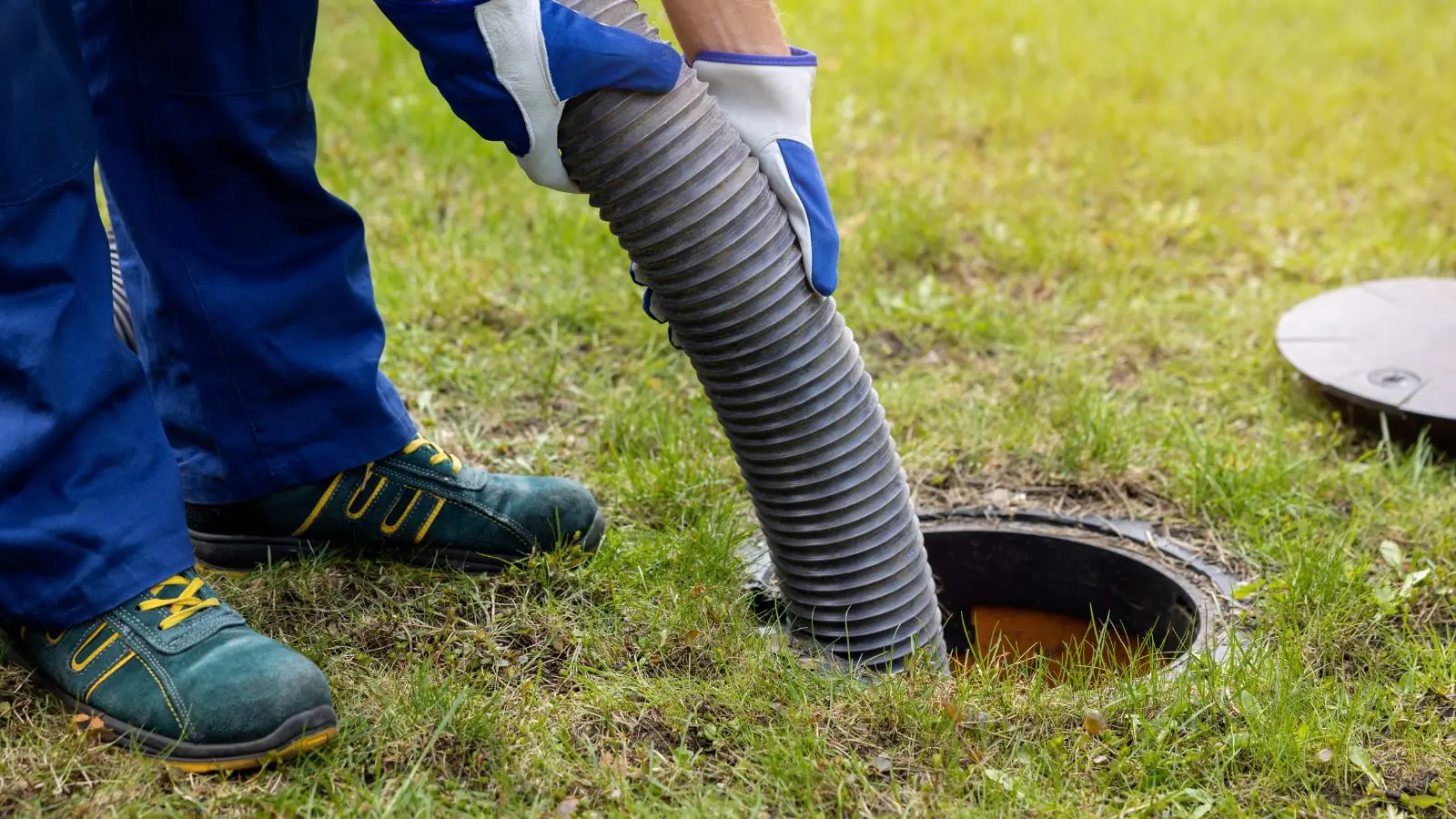
If you have heard a crew talk about Category 1, 2 or 3 water, they are using a standard from the restoration industry, ANSI/IICRC S500. The categories describe the source and level of contamination, and they shape every decision from there.
This guide explains the three in plain language and shows how a category can change over time.
The three categories
| Category | Typical sources | What it means for cleanup |
|---|---|---|
| Category 1 (clean) | Supply line breaks, a failed water heater tank, a faucet or tub overflow | Materials can often be dried in place if the water is addressed quickly |
| Category 2 (gray) | Washing machine or dishwasher discharge, some drain overflows | Porous materials such as carpet pad are usually removed, and others are cleaned and dried |
| Category 3 (black) | Sewage, river or slough flooding, long-standing water | Porous materials are removed, and surfaces are cleaned and treated by a crew with protective gear |
The standard defines the categories by contamination, not by the color of the water. Clear water can be contaminated, and cloudy water can be clean.
Categories can change
Water that starts clean can degrade. Time, temperature and contact with dirty surfaces can move Category 1 water toward Category 2 or 3. That is one reason fast response matters, since the longer water sits, the more materials need to be removed rather than dried.
The reverse does not happen. Contaminated water does not become clean as it sits. When the source is uncertain, crews plan for the higher category until readings and testing say otherwise.
Contaminated Water?
Keep people out and call the 24/7 line.
Why the category changes the plan
Category 1
Extraction and drying are the focus, and many materials are saved.
Category 2
More removal, more cleaning and attention to what the water touched.
Category 3
Containment, protective gear, removal of porous materials and disinfecting.
Mixed losses
One event can include several categories in different rooms.
The sewage backup page and the flood damage page cover the two most common Category 3 situations.
What you can do while you wait
If you suspect Category 2 or 3 water, keep people and pets out of the area, avoid touching wet materials and do not use household cleaners as a shortcut. Tell the dispatcher what you know about the source, including whether it came from a drain, a toilet or outside.
Do not run the air conditioner or furnace in a room with contaminated water, since the air handler can spread odors and debris. Photograph the area before cleanup begins.
Testing, documentation and honest limits
Crews usually decide the category from the source, the path the water took and what it touched. Laboratory testing is not routine for ordinary losses, and a crew cannot see bacteria by looking. That is why the standard leans on source and conditions and errs toward caution when the facts are unclear.
Ask the crew to write the category in the scope, and to note if it changes during the job. If the category affects what the insurer will consider, the written record helps.
None of this replaces advice from a physician. If someone in the home feels ill after contact with contaminated water, they should talk to a doctor.
Where the categories show up in Madera County
The City of Madera reports about 140 miles of sanitary sewer mains, five lift pump stations and pipelines from 6 to 48 inches. It also says homeowners are responsible for the lateral lines running from the main to their property. A backup from either can produce Category 3 water, so the first step is to find where the blockage is.
The Fresno River passes north of downtown Madera, and the Madera Irrigation District has warned that breaks can occur on properties next to streams and creeks. Water from a river, slough or ditch is generally treated as Category 3.
Near Chowchilla, the Madera County Sheriff issued a pre-evacuation advisory in 2017 for residents along Berenda Slough. Water from that kind of event carries soil and debris, and crews plan for it as contaminated.
Questions to ask the crew
- What category do you believe this is, and why?
- Which materials will be removed because of the category?
- What protective measures will you use?
- How will you contain the affected area?
- Will you document the category in the scope?
Call (559) 597-1434 and describe the source. The dispatcher can talk through what the category likely is while a crew is arranged.
Water Category Questions in Madera
Can gray water be cleaned and saved?
Hard surfaces and some materials can be cleaned and dried. Porous items such as carpet pad are usually removed.
How fast can clean water turn into Category 2?
It depends on conditions. Time, temperature and contact with dirty surfaces all matter, which is why quick action helps.
Is a sewer backup always Category 3?
Sewage is classified as Category 3. Call for help and keep people away from the area.
Who handles a backup caused by the City main in Madera?
The City handles blockages in its public system, and homeowners are responsible for the lateral from the main to the property. Report the issue to the City and call a restoration crew for the cleanup.