
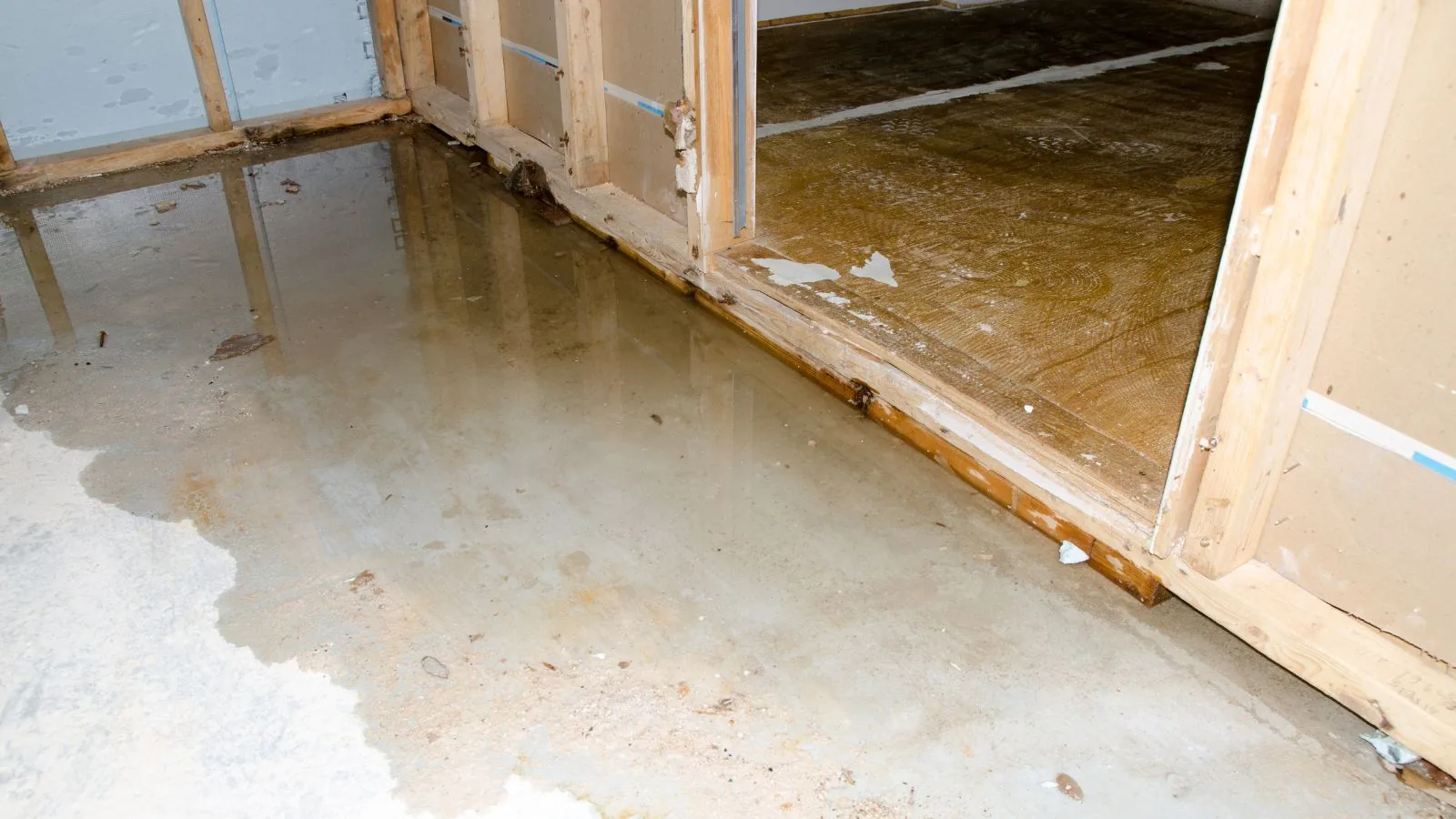
A leak in a rental is awkward because the person who sees the damage is not the person who owns the building. Delay hurts both sides, since wet drywall and flooring keep deteriorating while the question of who pays is argued.
This guide gives general information for Madera tenants and landlords. It is not legal advice. For disputes, talk to a tenant rights group, a local legal aid office or an attorney.
First steps for a tenant
Make the space safe first. If water is actively running, close the nearest shut-off valve if you can find it, and tell the landlord or property manager immediately. Keep people and pets away from wet electrical items and sagging ceilings.
Report the problem in writing, even if you also call. A text or email with the date, the location and a few photos creates a record. Describe what you see and ask for repairs. Keep a copy of everything you send.
Move your belongings out of the wet area where you can, and photograph them before and after. Keep receipts if you pay for emergency lodging, cleaning or replacement items.
First steps for a landlord or property manager
Stop the source, then start drying. A prompt response limits damage to the unit and to neighbors below or beside it. Ask a plumber to identify the cause, and ask a restoration company for a written scope and moisture readings.
Document the condition of the unit with dated photos, including the tenant's belongings as they appear. Notify your insurer according to your policy. California's habitability rules include working plumbing, so a leak affecting water service or livability should get attention quickly.
Keep tenants informed in writing about the schedule for drying and repairs, and about whether they need to leave the unit while crews work.
Water Spreading in the Unit?
Call the 24/7 line and describe the building.
Who usually handles what
| Item | Often handled by | Notes |
|---|---|---|
| Fixing the leaking pipe or appliance supply | Landlord | Unless the tenant caused the damage |
| Drying and removing damaged building materials | Landlord or the building's insurer | Needs to begin quickly |
| Tenant's furniture and personal items | Tenant's renters policy, if any | The landlord's policy usually covers the building, not tenant belongings |
| Temporary lodging if the unit is unlivable | Depends on the lease and the policies | Ask in writing and keep receipts |
| Damage caused by a tenant's appliance or negligence | May be disputed | Photos and a plumber's note help |
This is a pattern, not a rule. Leases and policies differ, and disputes about fault belong with a lawyer or a mediator.
Renters insurance matters more than most tenants think
A landlord's policy usually covers the structure, not your clothes, furniture or electronics. A renters policy covers your belongings and often some lodging costs if the unit is unlivable. If you do not have one, a single leak can be a large personal loss.
If you have a renters policy, report the loss to your insurer and ask what documentation they want. Keep your photos and the landlord's written notices together.
Keeping the relationship workable
Most rental leaks end well when both sides communicate early. Tenants who report promptly and give access make it easier for crews to dry the unit. Landlords who acknowledge the report and share the plan reduce conflict.
Write down dates, names and what was agreed. If a dispute comes up, a calm record is more useful than a long argument. Tenant rights organizations and mediators can help with disputes that do not resolve on their own.
What Madera and Chowchilla renters should know
The City of Madera draft housing element reports that about 22 percent of the city's housing units are multifamily, so a leak in a shared building is a normal part of the local housing picture. Water in an upstairs unit can reach the ceiling and walls of the unit below.
The same document reports that about 47 percent of units were built before 1980. In older buildings, original supply lines and fittings may be near the end of their service life, and tenants should report early signs such as damp spots, stains and drips rather than waiting.
Units outside city limits fall under Madera County and not the City Building Division, which matters if repairs need permits. The same applies in Chowchilla, which has its own city offices. When in doubt, ask the landlord which authority handles permits for the property.
When the whole building is affected
Water often travels through shared walls and ceilings. A crew treating a multi-unit loss needs access to each affected unit, which means notice to tenants and coordination of schedules. The commercial water damage page explains how multi-unit and commercial losses are handled.
Tenants can help by granting access when notified, removing valuables beforehand and keeping written records of the dates crews were in the unit.
Rental Water Damage Questions in Madera
Do I have to report a leak in writing?
It is the safest approach. A call can start the process, but an email or text creates a dated record you can point to later.
Who pays for my ruined furniture?
It depends on the lease, the cause and any renters policy. A landlord's policy usually covers the building and not a tenant's belongings, so renters insurance is the usual route.
Can a tenant hire a restoration company directly?
A tenant can call for emergency help to limit damage, but the landlord should be notified at once. Work inside the building generally needs the owner's permission.
Are there Madera rules that treat rentals differently?
California habitability rules apply statewide, and permit rules depend on whether the property is inside Madera city limits or in the county. Ask a tenant rights group about specifics for your lease.