
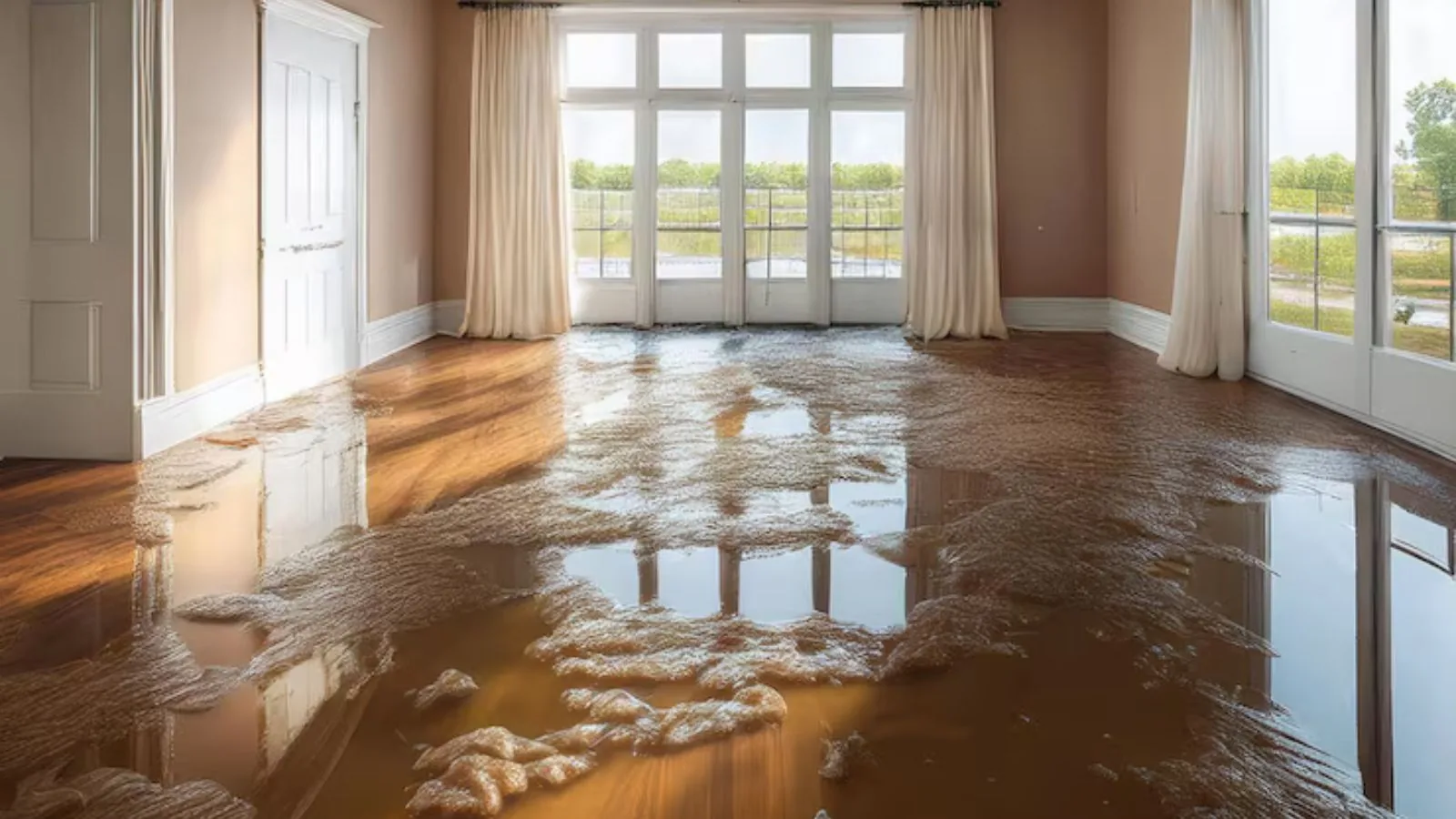
Online searches for cost produce wide ranges that do not tell you much about your own loss. A wet bathroom floor and a flooded house are different jobs, and the price follows the work.
This guide explains the factors without quoting numbers, since the only reliable price is the one written for your property after someone has looked at it.
The main cost factors
| Factor | What it means | How it moves the price |
|---|---|---|
| Water category | Clean, gray or black water | Contaminated water requires removal and extra safety measures |
| Affected area | Rooms, square footage, floors | More area means more labor and equipment |
| Materials | Carpet, hardwood, drywall, insulation | Some can be dried in place and others must be replaced |
| Days of drying | How long equipment runs | Equipment is typically billed per unit per day |
| Access and conditions | Crawl spaces, tight rooms, upper floors | Hard access takes more time |
| Contents | Furniture and belongings | Moving, storing and cleaning add cost |
| Rebuild | Drywall, flooring, paint | A separate scope from mitigation |
Mitigation versus rebuild
Mitigation is the emergency work: extraction, removal of unsalvageable materials and drying. Rebuild is the repair work: new drywall, trim, flooring and paint. They are often separate in scope, timing and invoicing.
A company that quotes both at once should break them out so you can see the pieces. You may use the same contractor for both, or you may hire a different one for the rebuild.
The water extraction page explains the mitigation side, and the wall and drywall page explains the repair side.
Want Your Real Number?
Call and describe the loss.
Why the first day matters to the bill
Water spreads and soaks deeper with time. A leak caught and dried in a day may limit damage to a few feet of baseboard, while the same leak left for several days can reach carpet, pad, subfloor and wall cavities. The cost follows the footprint.
That is also why waiting for a quote from several companies has a price of its own. Reasonable steps to stop the water and start drying are worth taking while you compare scopes.
How to compare two quotes
- Is the scope written, with rooms and materials listed?
- Does it include daily monitoring and moisture readings?
- Is equipment priced per day, and how many days are assumed?
- What is the plan if more is wet than expected?
- Is disposal included?
- Is the rebuild included, or is it separate?
If one quote is much lower, look for what it leaves out. Ask each company to explain how its price would change if the job grows.
Insurance and cost
Whether insurance helps depends on the cause and the policy. Sudden events are often handled differently from slow leaks, and flood and sewer backup are separate questions. Check your policy or ask your insurer before deciding how to proceed.
Keep invoices, readings and photos together. If you file a claim, those records support the scope. The structural drying page describes the documents a drying job should produce.
Costs people forget to ask about
Beyond equipment and labor, ask about disposal of removed materials, protection of floors and furniture, contents handling and any after-hours work. Ask whether the price includes a final inspection and a copy of the drying records.
Ask also about the rebuild: who orders materials, who handles permits and how paint and texture are matched. These are separate decisions with their own timing. Getting them in writing at the start prevents most disputes at the end.
Finally, ask what could make the price change. A written answer to that single question tells you a lot about how the company works.
A note on standards
Ask whether the quote assumes work to ANSI/IICRC S500, the published standard for water damage restoration. A company that follows it prices monitoring and documentation into the job, which is one reason scopes differ.
Local factors in Madera and Chowchilla
The City of Madera draft housing element reports that about 47 percent of units were built before 1980 and about 33 percent from 2000 to 2009. Older homes can involve older materials and more careful removal, and newer homes can involve closed wall cavities. Both change the scope.
Permits can affect rebuild cost and timing. The City of Madera Building Division handles permits inside city limits, and Madera County handles properties outside them. Ask the right office whether your repair needs one.
About 22 percent of Madera units are multifamily. In a shared building, the scope may span several units, which adds coordination. Chowchilla properties are served from the same dispatch line, and travel time is part of the conversation when you call.
Get your real number
The only price that matters is the one for your property. Call (559) 597-1434 to have the scope and the price walked through before the crew begins.
Restoration Cost Questions in Madera
Why does the price change after the crew arrives?
The first estimate is based on what you describe. Moisture mapping may find more wet material, and a good company explains changes before doing the work.
Is it cheaper to dry in place or replace?
Drying in place is usually less expensive when materials can recover. Replacement is the better choice for materials that cannot dry or are contaminated.
Are restoration costs the same in Chowchilla and Madera?
The scope drives the price, not the town. Travel time is part of the conversation, so mention your location when you call.
Does the City of Madera charge for permits on repairs?
The Building Division sets permit requirements and fees for qualifying work inside city limits. Call it to learn whether your repair needs a permit.