
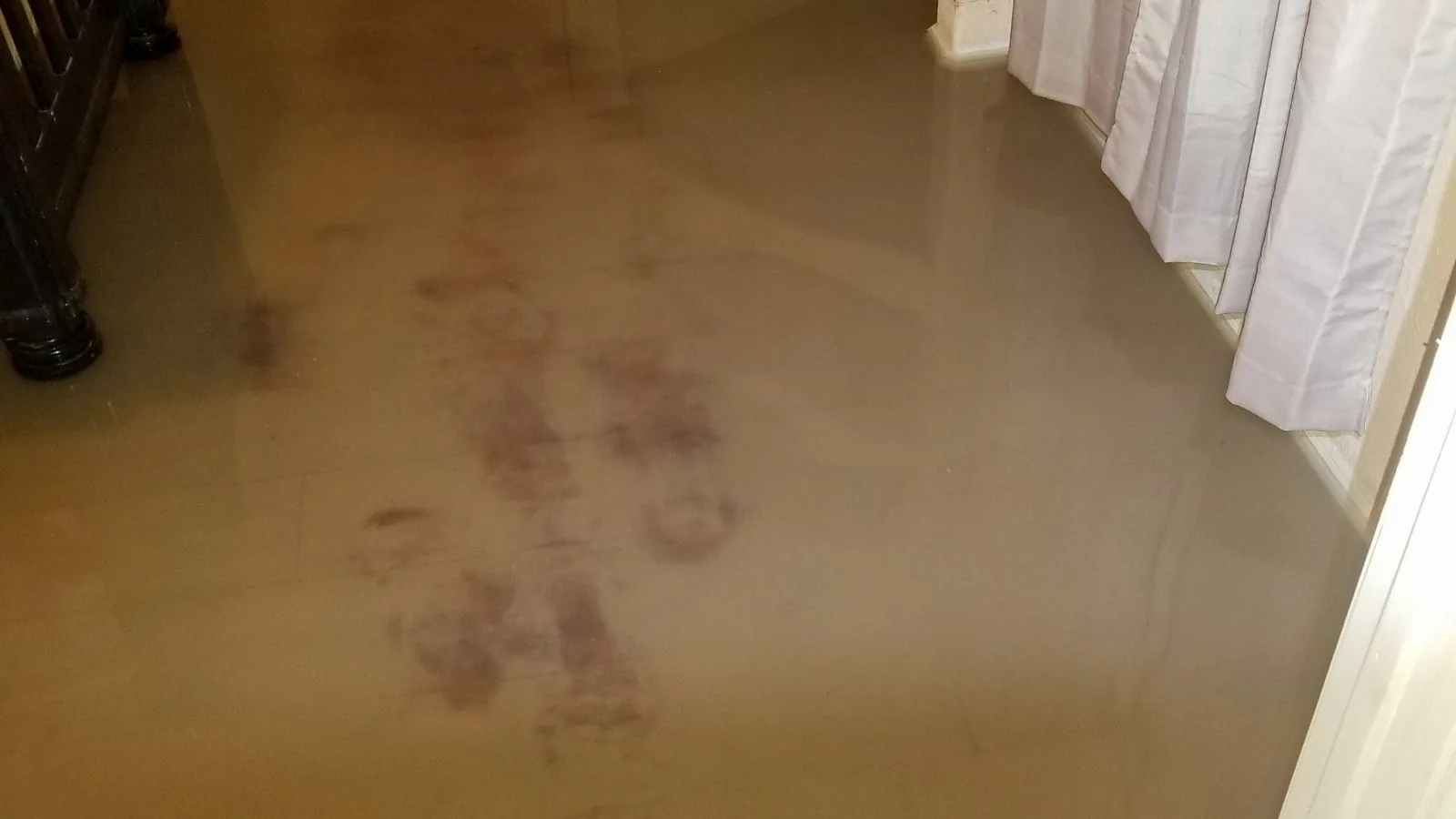
Furniture is often the most expensive thing a leak touches, and it is the item people most want to save. Some pieces dry out fine, and others hold water deep inside and are not worth the effort.
This guide helps you sort the two quickly so you do not spend days on something that cannot recover.
Start with the water source
Clean water from a supply line, a water heater or an appliance hose gives you the best odds. Water from a sewer line, a flooded yard or a river is contaminated, and soft furniture that touched it is usually discarded.
Time matters as well. Furniture that has been wet for a day or two behaves very differently from furniture that has sat in water for a week. Move quickly, and if you are unsure about the water, treat it as contaminated.
What usually can and cannot be saved
| Item | Clean water, caught fast | Contaminated or long exposure |
|---|---|---|
| Innerspring mattress | Sometimes dried and cleaned, though padding holds water | Usually discarded |
| Memory foam mattress | Hard to dry, since foam holds water deep inside | Discarded |
| Upholstered sofa | Can sometimes be dried and cleaned by a specialist | Discarded |
| Solid wood frame | Usually dried and cleaned | Often cleaned and treated if solid |
| Leather furniture | Dried carefully, but may stain or stiffen | Often discarded |
| Pillows and cushions | Washed or dried if the fill allows | Discarded |
| Particleboard furniture | Often swells and does not recover | Discarded |
Treat the table as a starting point. A specialist can look at a valuable piece and tell you what is realistic.
Not Sure What to Keep?
Call and describe the pieces and the water.
How to dry what is worth saving
Get it off the wet floor
Lift furniture onto foil, plastic blocks or a dry surface.
Remove loose parts
Take off cushions, covers and bedding, and wash what can be washed.
Blot and extract
Press with towels or use a wet vacuum on upholstery to pull water out.
Move air
Use fans and a dehumidifier, and keep heat low so fabrics do not shrink or stain.
Check again
Press on the fill after a day. If it is still damp, drying is not finished.
Do not put a wet mattress back on the bed. A mattress that stays damp can hold odors for a long time, and a replacement is often cheaper than repeated attempts to dry it.
Document before you discard
Photograph each piece, note the brand and age and keep the label if you can. An insurer may ask for a list of damaged contents with approximate value. Take photos before moving or discarding, since the pieces tell the story of how far the water reached.
If you rent, a renters policy is the usual route for personal belongings. The carpet water damage page explains how floors are handled alongside the furniture.
Smell, stains and what they tell you
A faint smell on day one is not a verdict, and a strong smell after drying is. Padding and foam can hold moisture long after the cover feels dry, and the odor tends to return in warm rooms. Press a clean white towel against the fill. If it picks up color or feels cool, there is still water inside.
Stains tell you about the water. A ring or tide line on fabric shows where the water wicked to, and brown marks usually come from dirt carried in the water or from the frame. Pieces with deep stains, a sour smell or visible growth are usually not worth another round of drying.
If the piece has sentimental or high value, ask an upholstery cleaner whether it can be treated. Do that early, since waiting lowers the odds.
A note on standards
The categories of water used by professionals come from ANSI/IICRC S500, the published standard for water damage restoration. They explain why clean-water furniture can sometimes be saved and contaminated-water furniture usually cannot.
Local context for Madera and Chowchilla households
The City of Madera draft housing element reports that about 22 percent of the city's units are multifamily. In apartments, furniture is often the first thing hit when water drops from the unit above, and tenants should document items before the landlord's crew starts work.
The same document reports that about 24 percent of units were built in the 1970s and about 47 percent before 1980, so many homes have older flooring and baseboards where water collects behind furniture before anyone notices.
Near Chowchilla, storm water from sloughs and ditches is not clean water. The 2017 Berenda Slough pre-evacuation advisory from the Madera County Sheriff is a reminder that outside water can reach homes, and soft furnishings that touch it are usually discarded.
When a restoration crew can help
A crew can extract water from upholstered pieces, dry the floor and wall under them and help sort what is worth keeping. Call (559) 597-1434 if furniture is sitting in water or if the leak affected more than one room.
Wet Furniture Questions in Madera
Can a wet mattress be saved?
A mattress with clean water caught within hours may recover if it is dried quickly, but memory foam and thick padding hold water deep inside. Many mattresses are replaced.
Is a wet sofa always a loss?
Not always. Clean water caught quickly can sometimes be dried and cleaned by a specialist. Contaminated water means replacement.
How do I dry cushions?
Remove covers, blot or extract the water, then dry them with fans and a dehumidifier. Foam can take a long time to dry.
Does a landlord cover my ruined furniture?
A landlord's policy usually covers the building and not a tenant's belongings. A renters policy is the usual route. Check your lease and policy.